I'm the person behind ohmysend. I spent years running email deliverability for hundreds of brands inside a large company — taking Gmail open rates from single digits to 40–50%. Now I work independently. This site is where I publish what I've learned: real cases, real data, and opinions I earned by being wrong enough times.
Five opinions formed over hundreds of audits. Most deliverability advice you'll find elsewhere disagrees with at least one of these. The comments are open.
SPF and DKIM can both pass while DMARC alignment silently fails — because the domain that passed isn't your From domain. Google's green checkmarks don't warn you about this. It is the single most common gap I find in audits, and most senders never think to check it.
Seed-list tools are a rough sample, not a rate. A dashboard that reports "inbox placement: 94.2%" is selling you precision that doesn't exist. Direction, yes. Decimals, no. What to watch instead.
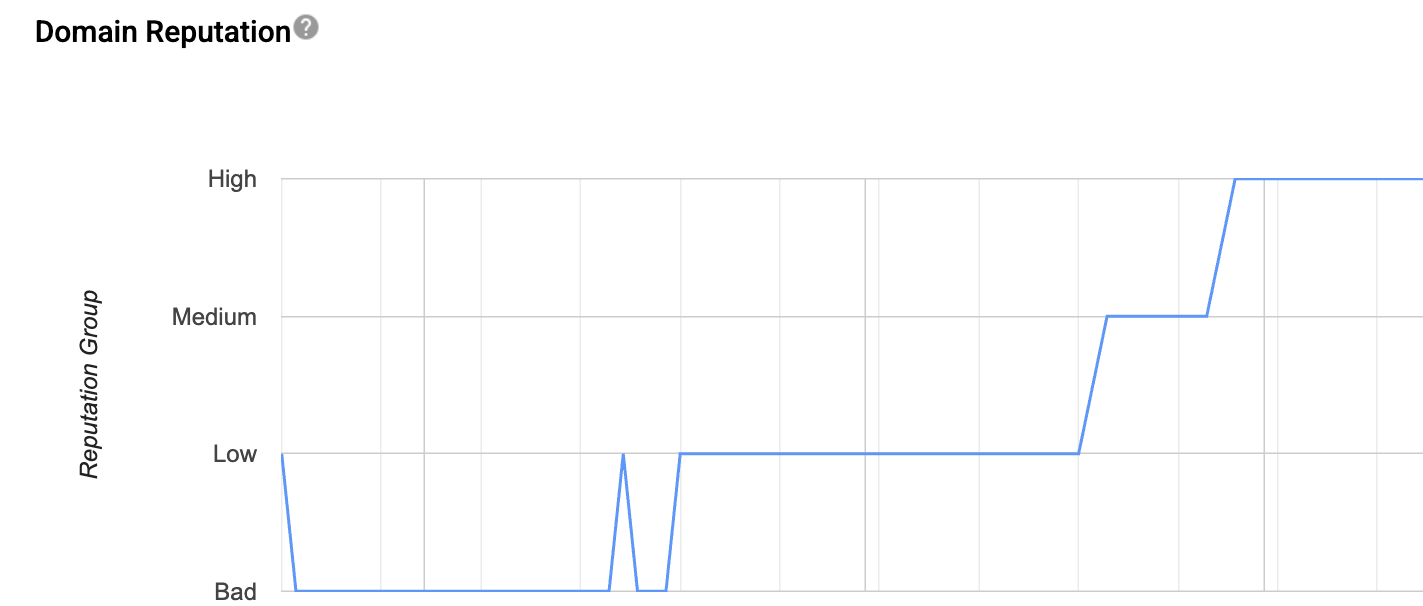
The hardest step of a reputation rebuild isn't Low → Medium. It's escaping Bad: weeks where the curve doesn't move and every instinct says quit. It's also where the compounding starts. A real example.
How deeply you personalize and how many links you send move inbox placement more than any subject-line trick. Senders A/B test subject lines for years while their template works against them.
Gmail's filter is a black box that changes under you. What can honestly be guaranteed: a correct diagnosis, a tested method, and transparent tracking. Anyone who promises you a specific number is guessing on your dime.
Step-by-step troubleshooting and optimization guides. Real commands, real examples, no fluff — the same checks I run in paid audits.
The dig commands, the Gmail "Show original" walkthrough, and the alignment checklist that catches what green checkmarks miss.
Read the guide →Don't change five things at once. Work through Postmaster → authentication → blacklists → what-changed, in order.
Read the guide →Deliverability rate and inbox placement are different things. One is visible, one isn't — and seed lists don't close the gap.
Read the guide →Real XML, field by field. Find the shadow senders failing authentication under your domain before they drag you down.
Read the guide →What Bad/Low/Medium/High actually mean for your open rate, and the recovery strategy that fits each level.
Read the guide →Real recovery work, anonymized — client domains stay private. Every chart is Google Postmaster data from an actual engagement, including the parts that didn't go to plan.

A full rebuild: where the time actually goes, and why the Bad → Low plateau is where most senders quit.
Read →
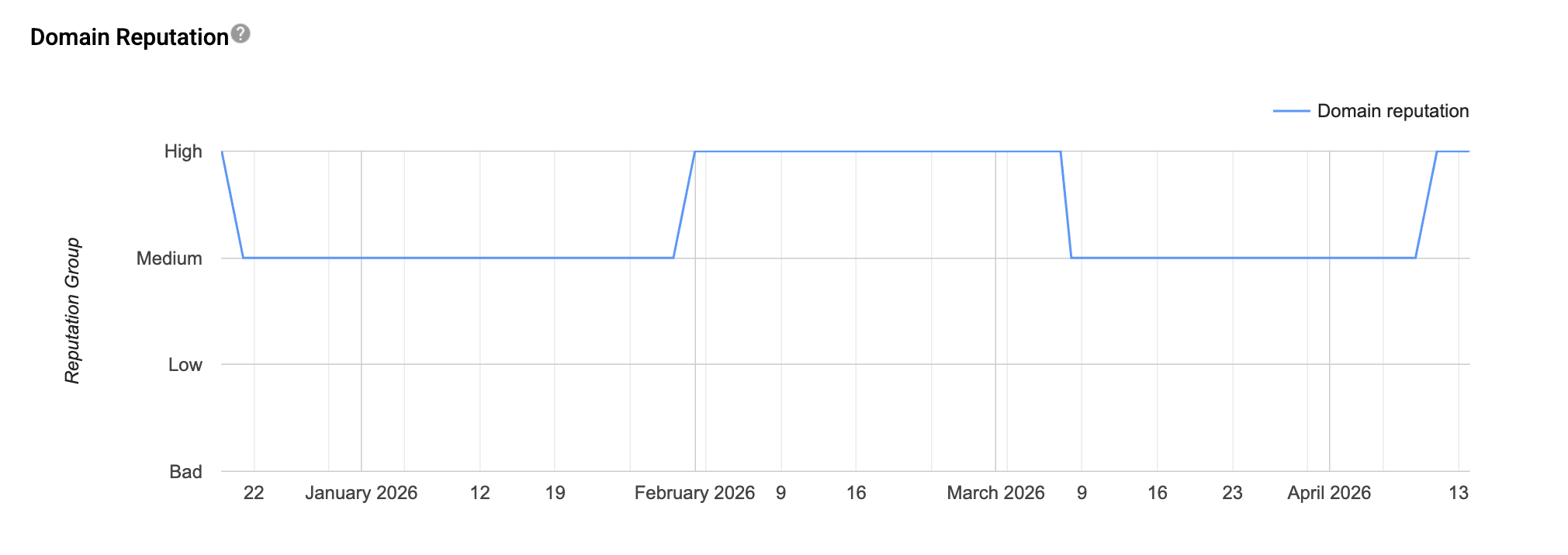
Two drops to Medium in four months — what caused each one, and what the bounce-back pattern teaches.
Read →
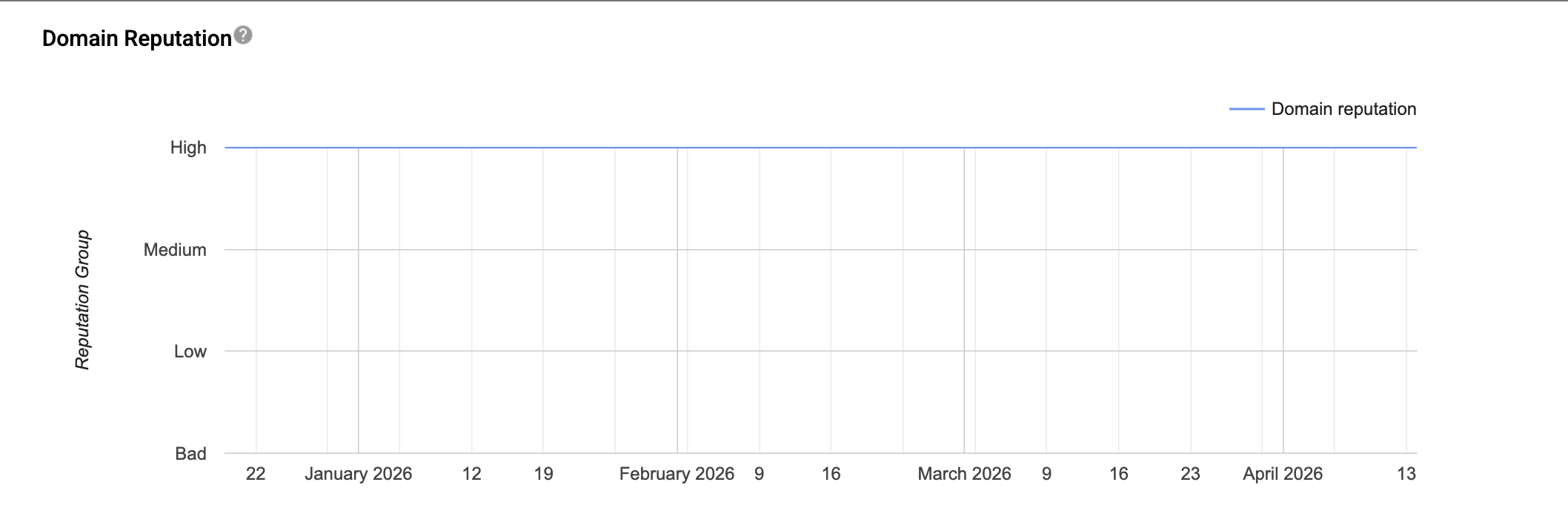
Four months flat at High. Boring is the goal — here's the operating routine that keeps it that way.
Read →I spent years inside a large company running email deliverability for the brands it served — a few hundred of them. The work was unglamorous: DNS records, Postmaster curves, complaint rates, warm-up calendars. The results were not: Gmail open rates from single digits to 40–50%, repeatedly.
I now work independently. I chose this niche because its mechanics are honest. Authentication is either right or wrong. Reputation is earned slowly and lost fast. The data doesn't flatter anyone.
Everything on this site comes from that work. The cases are real — anonymized, because client domains stay private. The opinions are mine. When you think I'm wrong, the comments under every article are open, and I read every email.
Email me what you're seeing — open rates, Postmaster curve, what changed. I read everything and reply to most.
Want me to actually fix it with you? Here's how I work with clients →